

Introduction
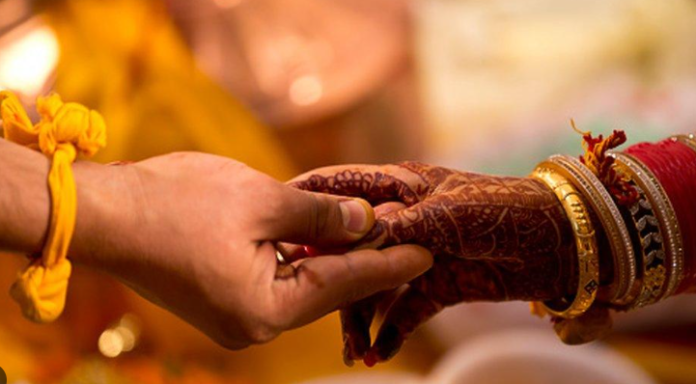
Marriage is one of the most meaningful events in a person’s life. It represents love, partnership, and the coming together of two families. However, in many cultures, marriage is also influenced by long-standing customs and traditions. One such tradition is dowry, a practice that has existed for centuries and continues to spark debate today.
Many people still ask a simple yet important question: what does dowry mean? While the basic definition may seem straightforward, the concept carries deep historical, cultural, and social implications. It is not just about gifts or money—it reflects how societies view relationships, gender roles, and economic responsibilities.
In this comprehensive guide, we will explore the meaning of dowry in detail. We will look at its origins, how it has evolved, its legal status, and its impact on modern society. The goal is to provide a clear, easy-to-understand explanation that answers not just what does dowry mean, but also why it matters today.
What Is Dowry? A Clear and Simple Meaning
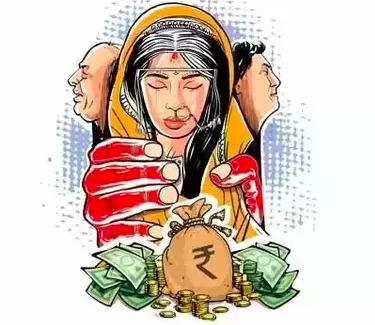
Dowry refers to the transfer of money, property, or valuable goods from the bride’s family to the groom or his family at the time of marriage.
When people try to understand what does dowry mean, they often think of it as a payment. However, historically, it was more like a contribution to help the newly married couple start their life together. This could include items like furniture, jewelry, clothing, and even land.
Over time, the meaning of dowry has changed in many places. What was once a voluntary gesture has, in some cases, become an expectation or demand. This shift is what has made dowry a controversial issue in modern society.
The Historical Background of Dowry
To fully understand what does dowry mean, it is helpful to look at its history. The practice did not begin with negative intentions. In fact, in many early societies, it served useful and practical purposes.
Dowry in Ancient Civilizations
In ancient Greece and Rome, dowry was a common practice. Families gave their daughters a share of wealth when they got married.
This was important because women often did not inherit property directly. Dowry ensured they had some financial security after marriage.
Dowry in Medieval Times
During the medieval period, dowry became more structured and tied to social status. Wealthy families often gave large dowries to secure beneficial marriages.
This made dowry not just a financial tool, but also a way to build alliances and improve social standing.
Dowry in Traditional Indian Society
In India, dowry originally had a more positive meaning. It was often referred to as “stridhan,” which means a woman’s personal wealth.
However, over time, social pressures changed the practice. The question of what does dowry mean began to take on a different tone, shifting from voluntary giving to expected obligation in some communities.
Why Dowry Was Practiced in the Past
Dowry was not always seen as harmful. In fact, it served several important purposes in traditional societies.
Providing Financial Security
One of the main reasons for dowry was to provide financial security for the bride.
Since women had limited opportunities to earn or inherit, dowry acted as a safety net in case of difficult situations.
Helping Set Up a New Household
Dowry often included items that helped the couple start their new life.
Things like kitchen utensils, furniture, and clothing made it easier for the couple to settle into their married life.
Strengthening Family Relationships
Dowry also had a symbolic meaning. It was a way for families to show respect and goodwill toward each other.
This helped create a positive foundation for the relationship between the two families.
Different Types of Dowry
Dowry can take many forms, depending on cultural and economic factors. Understanding these types helps clarify what does dowry mean in different contexts.
Cash Dowry
Cash is one of the most common forms of dowry today.
It is often used to meet specific demands or expectations from the groom’s family.
Jewelry and Gold
Gold jewelry is especially common in many cultures.
It serves both as a symbol of wealth and as a form of financial security for the bride.
Household Items
Items like furniture, appliances, and clothing are also included in dowry.
These are practical contributions to the couple’s new home.
Property and Land
In some cases, dowry includes land or real estate.
This type of dowry can have long-term financial benefits.
Dowry vs Bride Price: A Simple Comparison
Dowry is often confused with bride price, but they are not the same.
| Feature | Dowry | Bride Price |
|---|---|---|
| Who gives | Bride’s family | Groom’s family |
| Who receives | Groom or his family | Bride’s family |
| Purpose | Support or expectation | Compensation or tradition |
| Social perception | Often criticized | Sometimes accepted |
This comparison helps make it easier to understand what does dowry mean in relation to other cultural practices.
Legal Status of Dowry
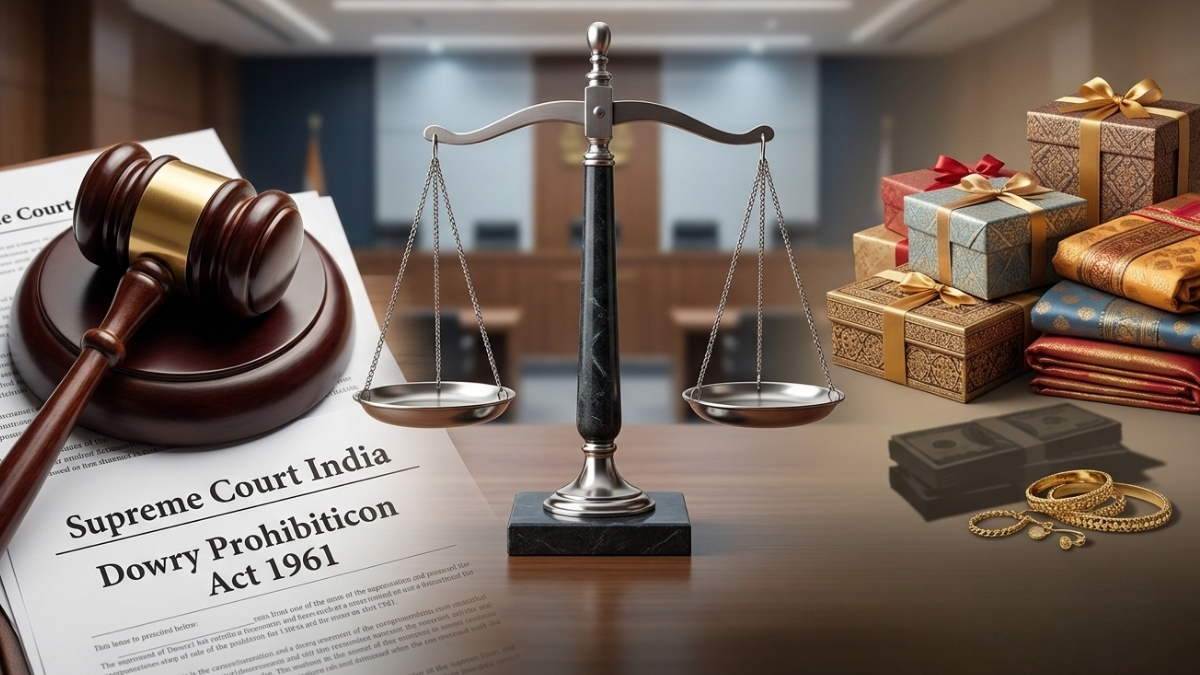
As awareness about the negative effects of dowry has increased, many countries have introduced laws to control or ban it.
Dowry Laws in India
In India, the Dowry Prohibition Act of 1961 makes it illegal to give or receive dowry.
Despite this, the practice still exists in many areas due to social pressure and lack of enforcement.
Global Legal Perspective
Some countries have strict laws against dowry, while others rely on cultural changes to reduce the practice.
The success of these efforts depends on awareness and enforcement.
The Social Impact of Dowry
Dowry has a strong impact on society, affecting families, relationships, and gender equality.
Financial Pressure on Families
Many families struggle to meet dowry demands.
This can lead to debt, stress, and financial hardship.
Gender Inequality
Dowry reinforces the idea that daughters are a financial burden.
This contributes to unequal treatment of women.
Dowry-Related Violence
In extreme cases, dowry demands can lead to abuse or violence.
This makes it a serious social issue that needs attention.
Modern Views on Dowry
Today, many people are questioning the relevance of dowry.
Changing Attitudes Among Youth
Young people are increasingly rejecting dowry.
They believe marriage should be based on love and equality.
Role of Education
Education helps people understand the negative effects of dowry.
It encourages them to make informed choices.
Urban vs Rural Differences
Urban areas are more likely to oppose dowry.
Rural areas may still follow traditional practices.
Why Dowry Still Exists Today
Even with awareness and laws, dowry has not disappeared.
Cultural Traditions
Many families continue the practice because it is part of their culture.
Breaking away from tradition can be difficult.
Social Pressure
Families often feel pressure from society to give dowry.
This makes it hard to refuse.
Desire for Status
Dowry is sometimes used to show wealth and status.
This encourages competition among families.
Common Myths About Dowry
There are many misunderstandings about dowry.
Some people think it is always voluntary, but in many cases, it is expected. Others believe it only affects poor families, but it exists across all economic levels.
Understanding these myths is important when exploring what does dowry mean in reality.
Impact of Dowry on Women’s Lives
Dowry has a deep impact on women’s rights and opportunities.
It can limit independence and create financial dependence. In some cases, it leads to emotional or physical harm.
Addressing dowry is essential for achieving gender equality.
Global Perspective on Dowry
Dowry is not limited to one country.
It has been practiced in Europe, Asia, and other regions. While it has declined in some places, it still exists in others.
This shows how cultural practices can change over time.
Quick Facts About Dowry
- Dowry is the transfer of wealth during marriage
- It originated as a form of financial support
- It has evolved into a controversial practice
- Many countries have laws against it
- Education and awareness are key to change
FAQs About Dowry
What does dowry mean in simple words?
It means money, gifts, or property given by the bride’s family during marriage.
Is dowry illegal?
In many countries, including India, it is illegal, but still practiced.
Why is dowry harmful?
It creates financial stress and promotes inequality.
Can dowry be stopped?
Yes, through awareness, education, and strict laws.
Is giving gifts the same as dowry?
No, gifts are voluntary, while dowry is often expected.
Conclusion: A Step Toward Change
Understanding what does dowry mean is the first step toward addressing its impact. While it started as a supportive tradition, it has become a source of inequality and hardship in many cases.
The solution lies in changing mindsets. Families, communities, and individuals must work together to reject harmful practices and promote fairness.
By choosing respect over tradition and equality over expectation, society can move toward a future where marriages are based on love, not financial pressure.
Read More:-Understanding Legal Civil Unions in India: A Complete Guide