

Introduction
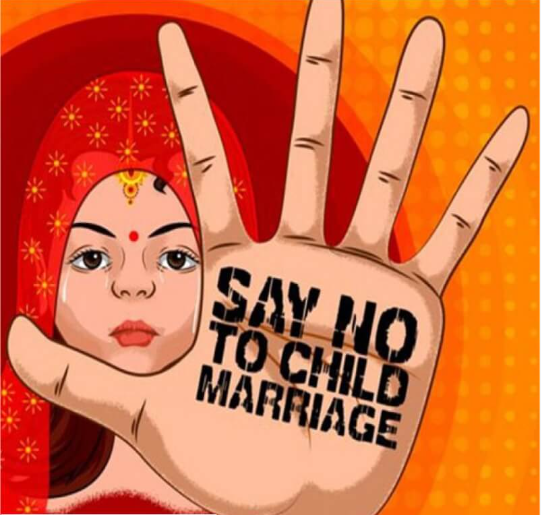
Child marriage continues to be one of the most pressing social challenges in India, despite decades of legal reform and social awareness efforts. While modern society increasingly recognizes the importance of education, equality, and individual rights, many communities still practice early marriage due to cultural traditions, economic hardships, and social pressures. To address this persistent issue, the government introduced the prohibition of child marriage act, a landmark legislation designed to protect minors and prevent early unions.
This article takes a deep and comprehensive look at the law, its purpose, provisions, challenges, and real-world impact. Rather than focusing on short bullet points, we will explore each aspect in a detailed, easy-to-understand narrative so that readers can grasp both the legal and social dimensions of the issue.
Understanding the Concept of Child Marriage
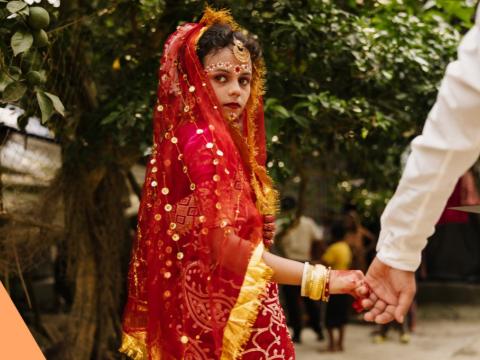
Child marriage refers to a union where one or both individuals involved are below the legally defined age of marriage. In India, the law clearly sets this threshold at 18 years for females and 21 years for males. Despite this legal clarity, child marriage often occurs in informal settings, making it harder to track and prevent.
The practice is not merely a legal violation; it is a violation of fundamental human rights. It deprives children—especially girls—of education, health, and personal freedom. The prohibition of child marriage act recognizes these harms and seeks to eliminate them by providing a legal framework that combines prevention, protection, and punishment.
What makes child marriage particularly complex is that it is often normalized within certain communities. Families may believe they are acting in the best interest of their children, whether by securing their future, protecting them from perceived risks, or reducing financial burdens. However, the long-term consequences are overwhelmingly negative, making legal intervention necessary.
Historical Evolution of Laws Against Child Marriage
India’s efforts to combat child marriage did not begin with modern legislation. The issue has been recognized for over a century, with early reformers advocating for change during the colonial period. One of the earliest legal attempts was the Child Marriage Restraint Act of 1929, also known as the Sarda Act. While it was a progressive step at the time, its enforcement mechanisms were weak and penalties were minimal.
Over the decades, amendments were made to strengthen the law, but they still fell short of addressing the root causes and complexities of child marriage. Recognizing these gaps, lawmakers introduced the prohibition of child marriage act, which came into force in 2007. This new law replaced earlier legislation and introduced stricter penalties, broader definitions, and stronger protections for victims.
The evolution of these laws reflects a shift in perspective—from merely restraining the practice to actively prohibiting and preventing it. This shift is crucial because it acknowledges that child marriage is not just a social issue but a serious legal and human rights concern.
Objectives and Scope of the Law
The prohibition of child marriage act is designed with a multi-dimensional approach. Its primary objective is to prevent child marriages before they occur, rather than simply punishing offenders after the fact. This proactive approach sets it apart from earlier laws.
Another important objective is to protect the rights of children who are already in such marriages. The law provides mechanisms for annulment, maintenance, and custody, ensuring that victims are not left without support. It also aims to create accountability by penalizing those who facilitate or promote child marriage, including parents, guardians, and religious figures.
The scope of the law extends across the entire country and applies to all communities, regardless of religion or custom. This universal applicability ensures that no group is exempt from its provisions, reinforcing the idea that child protection is a national priority.
Key Provisions of the Law Explained
Definition and Legal Status of Marriage
Under the law, a child is defined as a male below 21 years or a female below 18 years. Any marriage involving such individuals falls under the category of child marriage. However, the legal status of such marriages is nuanced.
Unlike some laws that automatically declare such marriages void, this act often treats them as voidable. This means that the marriage remains valid unless the minor chooses to annul it upon reaching adulthood. This provision is intended to give agency to the individual, allowing them to decide their future.
Void and Voidable Marriages
In certain situations, the law goes a step further and declares marriages void from the outset. This includes cases involving force, coercion, kidnapping, or trafficking. By distinguishing between void and voidable marriages, the law addresses different levels of severity and ensures appropriate remedies.
Maintenance and Custody Rights
One of the most progressive aspects of the law is its focus on victim welfare. If a minor girl is married, she is entitled to maintenance from her husband or his family. The court may also order suitable residence arrangements to ensure her safety.
In cases where children are born from such marriages, their custody is determined based on their best interests. The law prioritizes the welfare of the child above all else, ensuring that they are not penalized for circumstances beyond their control.
Punishments and Legal Consequences
The prohibition of child marriage act includes strict penalties to deter individuals from engaging in or promoting child marriage. Adult males who marry underage girls can face imprisonment of up to two years, along with fines. Parents, guardians, and anyone who facilitates the marriage can also be punished.
These penalties serve as a strong deterrent, but their effectiveness depends largely on enforcement. In many cases, social pressures and lack of reporting prevent legal action from being taken. Nevertheless, the existence of such penalties sends a clear message that child marriage is unacceptable and punishable.
Role of Enforcement Authorities
To ensure effective implementation, the law provides for the appointment of Child Marriage Prohibition Officers. These officials are responsible for preventing child marriages, collecting evidence, and raising awareness within communities.
Their role is not limited to enforcement; they also act as counselors and educators. By working closely with local communities, they help change attitudes and promote the importance of delaying marriage. This dual role of enforcement and education is essential for long-term success.
Social and Economic Factors Behind Child Marriage
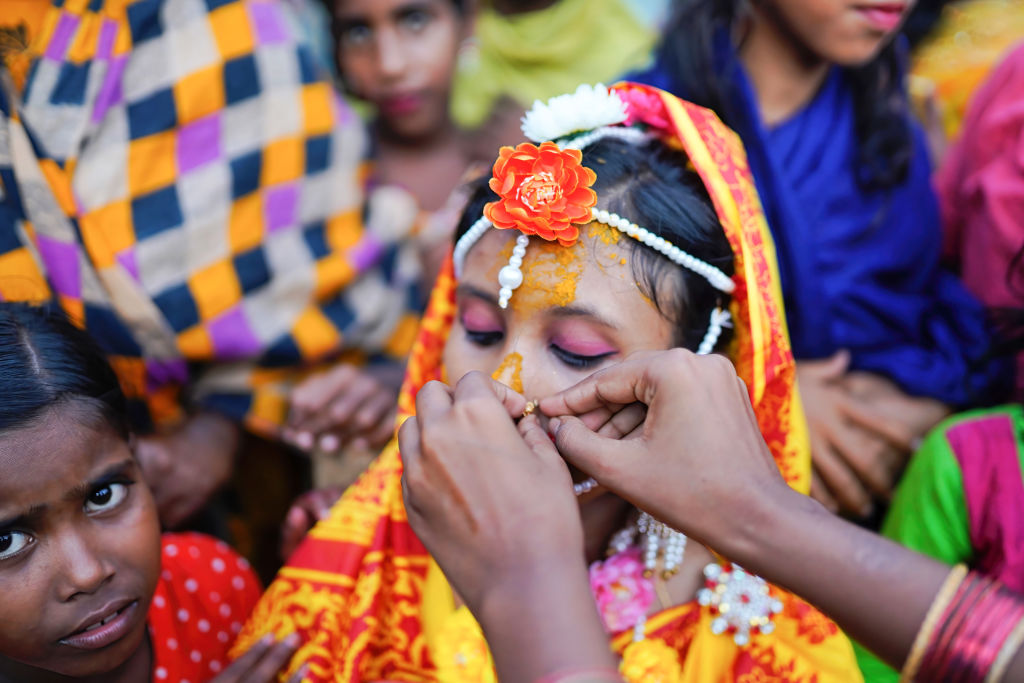
Despite the existence of the prohibition of child marriage act, the practice continues in many areas. One of the primary reasons is poverty. Families facing financial hardship may view early marriage as a way to reduce expenses or secure their daughter’s future.
Education also plays a crucial role. In areas where access to education is limited, children are more likely to be married early. Without awareness of their rights and opportunities, families may not see the value in delaying marriage.
Cultural norms and traditions further complicate the issue. In some communities, early marriage is seen as a way to preserve honor or adhere to long-standing customs. Changing these deeply ingrained beliefs requires sustained effort and community engagement.
Impact on Health, Education, and Society
Child marriage has far-reaching consequences that extend beyond the individuals involved. From a health perspective, young girls face increased risks during pregnancy and childbirth. Their bodies are not fully developed, leading to complications that can be life-threatening.
Education is another area that suffers significantly. Once married, children—especially girls—are often forced to drop out of school. This limits their future opportunities and perpetuates the cycle of poverty.
On a broader level, child marriage affects societal development. It reduces workforce participation, increases healthcare costs, and hinders economic growth. By addressing this issue, the prohibition of child marriage act contributes to the overall progress of society.
Government Initiatives and Support Systems
In addition to legal measures, the government has introduced various programs to support the objectives of the law. Initiatives like Beti Bachao Beti Padhao focus on promoting education and empowerment of girls.
Financial incentives and scholarship programs encourage families to keep their daughters in school. Awareness campaigns at the community level help educate people about the legal and social consequences of child marriage.
These efforts complement the prohibition of child marriage act, creating a holistic approach that combines legal enforcement with social change.
Challenges in Implementation
While the law is comprehensive, its implementation faces several challenges. One of the biggest obstacles is underreporting. Many cases go unreported due to fear, stigma, or lack of awareness.
Enforcement can also be inconsistent, particularly in rural areas where social norms are deeply entrenched. Authorities may face resistance from communities, making it difficult to intervene.
Another challenge is the lack of resources. Effective implementation requires trained personnel, infrastructure, and funding. Without these, even the strongest laws can fall short.
Comparative Table: Key Aspects of Child Marriage Laws
| Aspect | Earlier Laws | Current Law (2007 Act) |
|---|---|---|
| Approach | Restrictive | Preventive and protective |
| Legal Status | Limited clarity | Clear definitions |
| Victim Support | Minimal | Maintenance and custody rights |
| Enforcement Mechanism | Weak | Dedicated officers |
| Punishment Severity | Mild | Strict and deterrent |
Frequently Asked Questions (FAQs)
What is the main aim of this law?
The primary aim is to prevent child marriages and protect minors from exploitation, ensuring their rights to education, health, and freedom.
Can a child marriage be cancelled?
Yes, it is generally voidable, meaning the individual can annul it after reaching adulthood.
Who can report such cases?
Anyone, including family members, neighbors, or concerned citizens, can report a child marriage.
Are there penalties for parents?
Yes, parents or guardians involved in facilitating the marriage can face legal consequences.
What happens to children born from such marriages?
Their rights are protected, and courts ensure their welfare and custody arrangements.
Conclusion: Moving Toward a Child Marriage-Free Society
The prohibition of child marriage act represents a significant step forward in protecting children and promoting social justice. However, its success depends on more than just legal provisions. It requires active participation from communities, awareness among citizens, and consistent enforcement by authorities.
Ending child marriage is not an overnight task. It involves changing mindsets, improving access to education, and addressing economic inequalities. Each individual has a role to play—whether by spreading awareness, supporting education, or reporting illegal practices.
If we truly want to create a society where every child has the opportunity to grow, learn, and thrive, we must stand firmly against child marriage. The law provides the framework, but it is our collective responsibility to bring about lasting change.
Read More:-Understanding India’s Law Against Dowry and Its Impact Today