

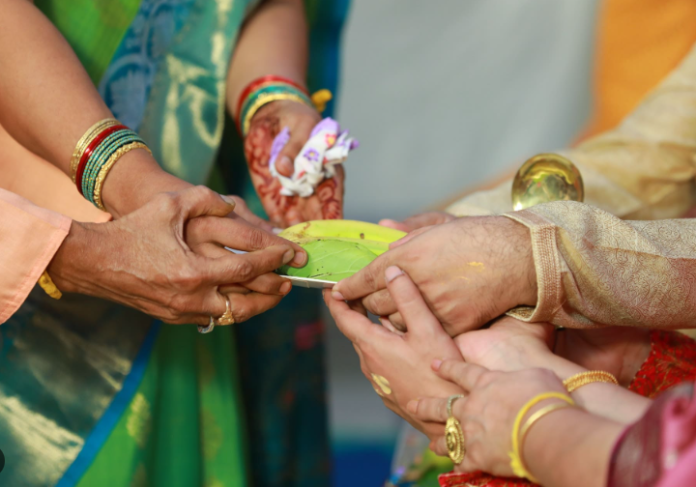
Introduction: Why Understanding Dowry Still Matters Today
Marriage has always been more than a personal relationship—it is a social institution shaped by centuries of customs and traditions. Among these customs, one practice that continues to spark conversation is dowry. While some people see it as a cultural ritual, others view it as a social problem that needs to be eliminated. To form an informed opinion, it is essential to first understand the dowry meaning and how it has evolved over time.
In its simplest sense, dowry refers to wealth transferred from the bride’s family to the groom’s family during marriage. However, this definition barely scratches the surface. The practice carries deep historical roots, cultural symbolism, economic implications, and ethical debates. Over time, its purpose has shifted, sometimes dramatically, from a supportive tradition to a controversial expectation.
Today, conversations around dowry are not just about tradition but also about gender equality, financial pressure, and human rights. Understanding its origins and transformations can help us see why it persists and how it can be reshaped or even eliminated in harmful forms. This article takes a deep dive into every aspect of the concept, offering a complete picture in a clear and engaging way.
What Is Dowry? Breaking Down the Concept Clearly
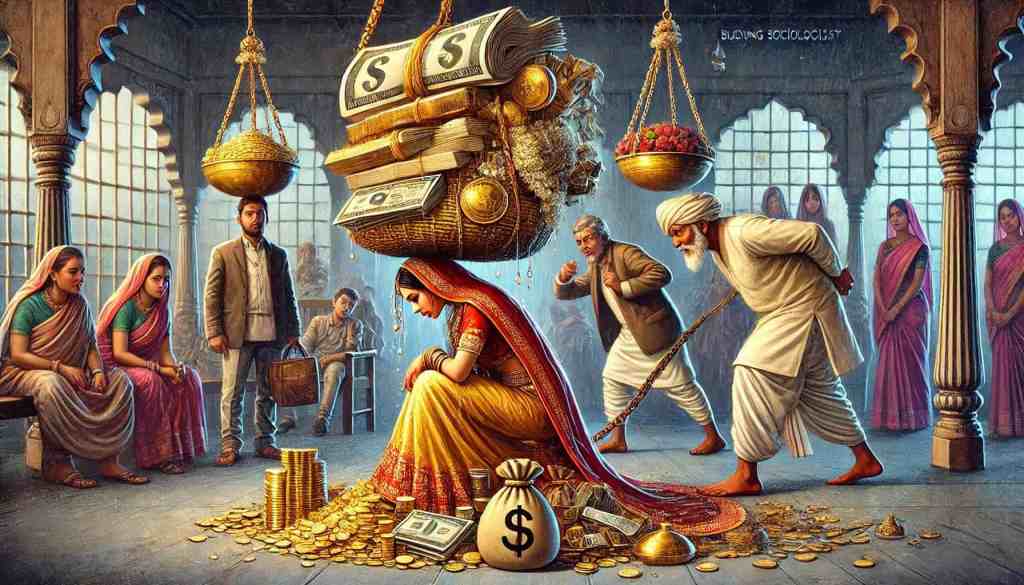
To understand the dowry meaning, one must go beyond dictionary definitions and explore its practical application in society. Traditionally, dowry includes money, jewelry, household items, land, or other valuable assets given by the bride’s family at the time of marriage.
Initially, this practice was not about demand or pressure. It was a way for parents to ensure their daughter had financial stability when she moved into a new household. In many cases, it functioned as her share of inheritance, especially in societies where women did not inherit property directly.
However, over time, the nature of dowry shifted. What was once voluntary and supportive began to turn into an expectation, and in some cases, a demand. This transformation has played a major role in shaping modern perceptions of dowry.
Today, when people refer to dowry, they often associate it with financial burden or social pressure rather than its original intent. This contrast between past and present interpretations makes it important to understand the concept in its full context.
Historical Roots of Dowry Across Civilizations
The history of dowry is both fascinating and complex. It has existed in various forms across different civilizations, each with its own interpretation and purpose.
In ancient societies, dowry was often seen as a protective measure. Parents provided wealth to their daughters so that they would have some level of independence and security in their new homes. This was especially important in times when women had limited rights and opportunities.
In ancient Europe, dowry was a standard practice among both noble and common families. It was considered a way to establish alliances and maintain social status. Similarly, in parts of Asia, dowry played a significant role in marriage arrangements, often symbolizing respect and goodwill between families.
Understanding the historical dowry meaning reveals that it was not originally designed to exploit or burden families. Instead, it served practical and social purposes that were relevant to the times in which it developed.
Cultural Significance and Symbolism
Dowry is not just a financial transaction—it carries deep cultural meaning. In many societies, it symbolizes love, care, and the desire of parents to support their daughter as she begins a new chapter in life.
In traditional settings, the items included in dowry often had symbolic value. Jewelry represented wealth and security, household items symbolized readiness for married life, and land or property indicated long-term stability. These elements were chosen carefully to reflect both emotional and practical considerations.
However, cultural expectations can sometimes blur the line between tradition and obligation. What begins as a meaningful gesture can turn into a rigid expectation that families feel compelled to meet. This shift highlights the importance of distinguishing between cultural expression and social pressure.
By examining its cultural significance, we gain a deeper understanding of the dowry meaning beyond its economic aspects.
Dowry vs. Bride Price: Understanding the Difference
Although dowry is widely discussed, it is often confused with a similar concept known as bride price. While both involve the exchange of wealth during marriage, they differ significantly in direction and purpose.
| Aspect | Dowry | Bride Price |
|---|---|---|
| Direction | Bride’s family → Groom’s family | Groom’s family → Bride’s family |
| Purpose | Support for bride | Compensation to bride’s family |
| Cultural Context | South Asia, Europe | Africa, some Asian regions |
| Social Impact | Financial burden on bride’s family | Can elevate bride’s perceived value |
| Modern View | Often criticized | Sometimes accepted with regulation |
This comparison shows that while both practices are rooted in tradition, they carry different implications. Understanding these differences helps clarify the broader context of marriage-related customs.
The Evolution of Dowry in Modern Society
Over time, the dowry meaning has undergone significant transformation. In earlier periods, it was largely voluntary and intended to benefit the bride. Today, in some cases, it has become a source of stress and conflict.
Modern society has seen a shift in how people perceive dowry. Increased education, urbanization, and exposure to global ideas have led many to question traditional practices. Younger generations are more likely to reject dowry or redefine it in a way that aligns with modern values.
Despite these changes, the practice still exists in various forms. In some areas, it continues as a cultural ritual, while in others, it has taken on more problematic aspects. This duality makes it important to address both its positive and negative sides.
Legal Framework and Regulations
Many governments have recognized the potential harm caused by dowry practices and have introduced laws to regulate or prohibit them. These laws aim to protect individuals, particularly women, from exploitation and abuse.
Legal measures often include penalties for demanding or accepting dowry, as well as provisions for supporting victims of harassment. Awareness campaigns also play a crucial role in encouraging people to follow these laws and reject harmful traditions.
However, enforcement remains a challenge in some regions. Social norms and cultural expectations can sometimes override legal provisions, making it difficult to eliminate the practice entirely.
Understanding the legal perspective is essential for grasping the modern implications of the dowry meaning.
Social and Economic Impacts
Dowry has far-reaching effects on both individuals and society. Economically, it can place a heavy burden on families, especially those with limited resources. Parents may feel pressured to save for years or even take on debt to meet expectations.
Socially, the practice can reinforce gender inequality by placing greater value on one gender over another. It can also lead to strained relationships between families and, in extreme cases, result in conflict or abuse.
At the same time, it is important to recognize that not all aspects of dowry are negative. In its original form, it was intended to support the bride and provide her with financial security. The challenge lies in preserving this positive intent while eliminating harmful practices.
Changing Attitudes Among Younger Generations

One of the most encouraging developments in recent years is the shift in attitudes among younger people. Many individuals are choosing to reject dowry altogether or redefine it in a more equitable way.
Education has played a major role in this change. As people become more aware of the negative consequences of dowry, they are more likely to question its relevance. Social media and public campaigns have also helped spread awareness and encourage dialogue.
This shift suggests that the dowry meaning is not fixed but can evolve with changing values and perspectives.
Ethical Considerations and Debates
The practice of dowry raises several ethical questions. Is it fair to expect one family to bear financial responsibility for a marriage? Does it reinforce outdated gender roles? Can it be practiced in a way that is both meaningful and ethical?
These questions do not have simple answers. Some argue that dowry can be preserved as a cultural tradition if it remains voluntary and free from pressure. Others believe it should be abolished entirely due to its potential for misuse.
What is clear is that any practice affecting people’s lives should be examined critically and adapted to align with principles of fairness and equality.
Key Takeaways About Dowry
- Dowry involves the transfer of wealth during marriage.
- Historically intended to support the bride.
- Has evolved into a controversial practice in some societies.
- Legal measures exist to prevent misuse.
- Modern attitudes are shifting toward equality and fairness.
FAQs About Dowry
What is the meaning of dowry in simple terms?
Dowry refers to money, property, or gifts given by the bride’s family to the groom’s family during marriage, traditionally meant to support the bride.
Why was dowry practiced historically?
It was used to provide financial security to the bride and strengthen relationships between families.
Is dowry still practiced today?
Yes, but its form and acceptance vary widely depending on cultural and social contexts.
What are the problems associated with dowry?
It can lead to financial stress, gender inequality, and social pressure on families.
Can dowry be reformed instead of abolished?
Some believe it can be redefined as voluntary gift-giving, while others advocate for its complete elimination.
Conclusion: Moving Toward a Balanced Perspective
The concept of dowry is deeply rooted in history and culture, yet it remains highly relevant in today’s world. By understanding the dowry meaning, we can better appreciate its origins while recognizing the need for change.
Traditions are not static—they evolve with time. What once served a practical purpose may no longer be suitable in modern society. The challenge lies in preserving cultural values without perpetuating harm or inequality.
As individuals and communities, we have the power to reshape traditions in ways that reflect fairness, respect, and mutual support. Whether that means redefining dowry or moving away from it entirely, the goal should always be to create a more just and balanced society.
Change begins with awareness, and every step toward understanding brings us closer to meaningful progress.