


Introduction
In today’s rapidly changing world, law enforcement has evolved into a sophisticated system that goes far beyond routine patrolling. At the center of this transformation lies the crime investigation department, a specialized branch that focuses on uncovering hidden truths, solving complex cases, and ensuring justice is delivered effectively.
From high-profile murder investigations to intricate cyber fraud cases, investigative units operate with precision, patience, and a deep understanding of criminal behavior. Their work requires a blend of science, intuition, and legal expertise. While the public often sees the final outcome—an arrest or conviction—the real effort lies in the long and detailed process that leads to that moment.
The importance of investigative units cannot be overstated. Without them, crimes would remain unsolved, victims would be denied justice, and public trust in the legal system would weaken. Their role is not just about catching criminals but also about maintaining the integrity of the justice system.
What Is an Investigative Unit in Policing?
An investigative unit is a specialized division within a police organization tasked with solving crimes through systematic inquiry. Unlike uniformed officers who respond to emergencies and maintain public order, investigators delve deeper into incidents, analyzing evidence and reconstructing events to determine what truly happened.
The crime investigation department handles cases that require detailed examination and specialized knowledge. These cases often involve serious offenses such as homicide, financial fraud, organized crime, and cyber offenses. Investigators are trained to think critically, question assumptions, and follow evidence wherever it leads.
Their work is methodical and often time-consuming. Each case involves multiple steps, including collecting evidence, interviewing witnesses, analyzing data, and preparing reports for legal proceedings. This structured approach ensures that every investigation is thorough and reliable.
Historical Development of Investigative Policing
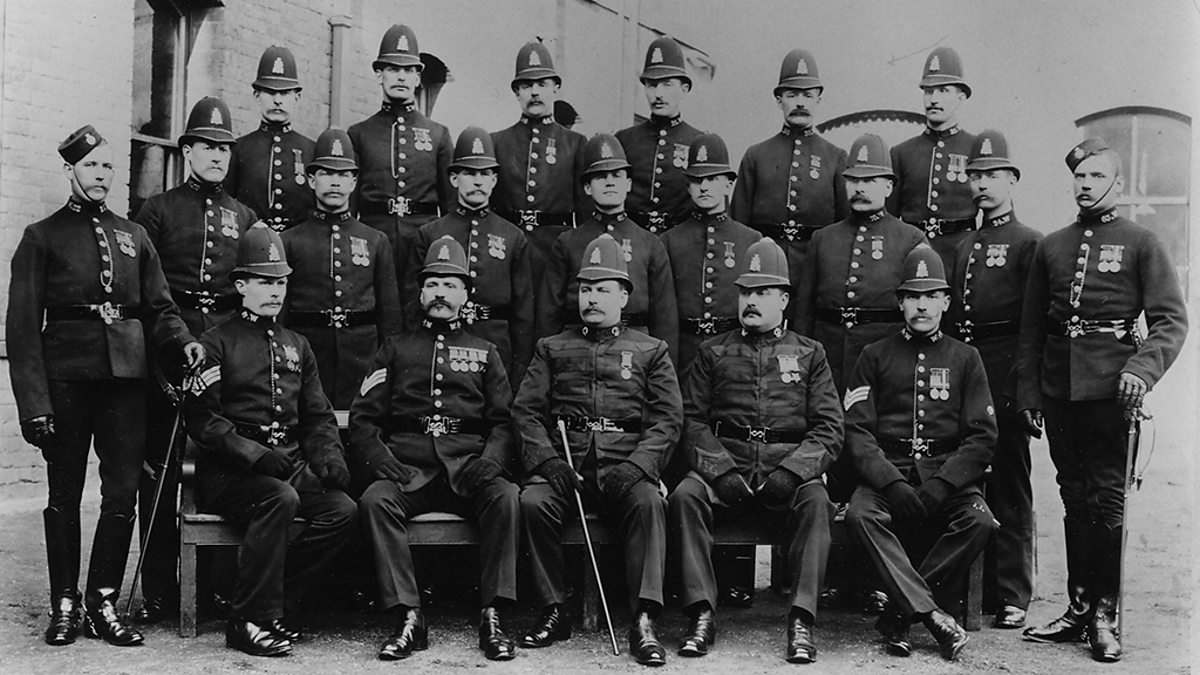
The concept of organized crime investigation dates back centuries, but it gained prominence during the 19th century when urbanization led to an increase in criminal activities. Early policing systems relied heavily on confessions and eyewitness accounts, which were often unreliable.
As societies advanced, so did investigative techniques. The introduction of fingerprinting in the late 1800s marked a significant milestone. It provided a scientific method of identifying individuals, reducing reliance on subjective evidence. Over time, forensic science expanded to include DNA analysis, ballistics, and toxicology.
The crime investigation department as we know it today is a result of continuous evolution. Modern investigative units use advanced technology, data analytics, and international collaboration to solve crimes that were once considered unsolvable.
Core Functions of Investigative Units
Evidence Collection and Preservation
One of the most critical aspects of any investigation is the collection and preservation of evidence. Investigators must ensure that every piece of evidence is handled carefully to avoid contamination or loss. This includes physical items such as weapons, clothing, and documents, as well as digital evidence like emails and transaction records.
The integrity of evidence is crucial because it forms the foundation of the case. Any mistake in handling evidence can weaken the prosecution and potentially allow a guilty individual to go free.
Interviewing and Interrogation
Interviews and interrogations are essential tools in the investigative process. Investigators speak with witnesses to gather information and reconstruct events. They also question suspects to verify their involvement or innocence.
This process requires strong communication skills and psychological insight. Investigators must be able to detect inconsistencies, assess credibility, and extract useful information without violating legal or ethical boundaries.
Case Analysis and Documentation
Every investigation involves extensive documentation. Investigators record their findings, observations, and conclusions in detailed reports. These documents are used in court to present the case and support legal arguments.
The crime investigation department relies on accurate documentation to ensure transparency and accountability. Well-prepared reports can make the difference between a successful prosecution and a failed case.
The Investigation Process in Detail
Crime Scene Examination
The investigation begins at the crime scene. Investigators secure the area to prevent contamination and carefully document everything they observe. Photographs, sketches, and notes are used to capture the scene in detail.
This stage is crucial because it provides the initial clues that guide the entire investigation. Even a small piece of evidence can lead to significant breakthroughs.
Forensic Analysis
After evidence is collected, it is sent to forensic laboratories for analysis. Experts examine the evidence using scientific methods to uncover hidden details. DNA analysis, fingerprint matching, and chemical testing are commonly used techniques.
The results of forensic analysis often play a decisive role in solving cases. They provide objective evidence that supports or contradicts witness statements.
Suspect Identification and Tracking
Based on the evidence and information gathered, investigators identify potential suspects. They use various methods, including surveillance and data analysis, to track their movements and activities.
The crime investigation department uses both traditional and modern techniques to narrow down suspects and build a strong case.
Legal Proceedings and Case Closure
Once sufficient evidence is gathered, the case is presented in court. Investigators may be required to testify and explain their findings. Their work must withstand legal scrutiny to ensure a fair trial.
The final stage of the investigation is case closure, which occurs when the court reaches a verdict. This marks the culmination of the investigative process.
Role of Technology in Modern Investigations
Technology has transformed the way investigations are conducted. Digital tools have made it easier to collect, analyze, and store information. Surveillance systems, data analytics software, and cyber forensic tools are now integral to the investigative process.
The crime investigation department uses these tools to handle complex cases involving large volumes of data. For example, cybercrime investigations rely heavily on digital evidence, which requires specialized skills and equipment.
Artificial intelligence is also playing an increasingly important role. It can analyze patterns and predict criminal behavior, helping investigators identify potential threats before they occur.
Challenges Faced by Investigative Units
Despite advancements in technology, investigative units face several challenges. One of the biggest issues is the increasing complexity of crimes. Criminals are using sophisticated methods to evade detection, making investigations more difficult.
Resource limitations are another challenge. Many investigative units operate with limited manpower and funding, which can affect their efficiency. Additionally, legal and ethical constraints must be carefully followed to ensure that investigations are conducted fairly.
Public pressure and media scrutiny can also impact investigations. High-profile cases often attract attention, which can create additional challenges for investigators.
Comparison of Different Investigative Divisions
| Division Type | Focus Area | Key Responsibilities |
|---|---|---|
| Homicide Unit | Murder cases | Evidence analysis, suspect interrogation |
| Cybercrime Unit | Digital offenses | Tracking online fraud, hacking cases |
| Narcotics Division | Drug-related crimes | Surveillance, undercover operations |
| Economic Offenses Wing | Financial crimes | Fraud detection, financial audits |
| Missing Persons Unit | Disappearances | Search operations, identity verification |
Each division within the crime investigation department is designed to handle specific types of cases, ensuring specialized expertise and efficiency.
Skills Required for a Successful Investigator

Investigators must possess a wide range of skills to perform their duties effectively. Analytical thinking is essential for connecting clues and solving complex cases. Attention to detail helps ensure that no important information is overlooked.
Communication skills are also crucial. Investigators must be able to interview witnesses, interrogate suspects, and present their findings clearly in court. Emotional resilience is another important trait, as investigators often deal with difficult and stressful situations.
Importance of Investigative Units in Society
Investigative units play a vital role in maintaining law and order. They ensure that crimes are thoroughly investigated and that offenders are held accountable. Their work helps build public trust in the justice system and deters criminal activities.
The crime investigation department is essential for ensuring that justice is served. Without it, many crimes would go unsolved, and the rule of law would be weakened.
Investigative units combine forensic science, intelligence gathering, and legal procedures to solve crimes and ensure justice is served effectively.
Future of Investigative Policing
The future of investigative policing lies in innovation and collaboration. Advances in technology will continue to enhance investigative capabilities, making it easier to solve complex cases. International cooperation will also play a key role in tackling global crime.
The crime investigation department will need to adapt to these changes by embracing new tools and techniques. Continuous training and development will be essential to keep up with evolving challenges.
FAQs About Investigative Units
What does a crime investigation unit do?
It collects evidence, interviews witnesses, and builds cases to solve crimes and support legal proceedings.
How is forensic science used in investigations?
Forensic science analyzes physical evidence such as DNA and fingerprints to provide scientific proof.
What types of cases are handled?
Investigative units handle serious crimes like homicide, fraud, cybercrime, and organized crime.
How long do investigations take?
The duration varies depending on the complexity of the case and available evidence.
Is technology replacing investigators?
No, technology supports investigations, but human judgment remains essential.
Conclusion: The Backbone of Justice
Investigative units are the backbone of modern law enforcement. Their ability to uncover the truth, analyze evidence, and solve complex cases ensures that justice is served. As crime continues to evolve, so must the methods used to combat it.
The crime investigation department remains a cornerstone of the justice system, protecting society and upholding the rule of law. By investing in technology, training, and resources, we can strengthen investigative capabilities and create a safer future for all.
Support initiatives that enhance investigative systems and stay informed about law enforcement practices. A strong investigative framework benefits everyone by ensuring safety, accountability, and justice.