

Introduction
Child marriage is not just a social issue—it is a deeply complex problem that touches on culture, economics, education, and human rights. Across generations, many societies have normalized early marriage, often without fully recognizing the long-term harm it causes. Today, however, legal systems around the world have taken a firm stance against this practice. Among these efforts, the child marriage act stands out as a significant step toward protecting children and ensuring their right to a safe and independent future.
This article explores the law in depth, examining its purpose, provisions, challenges, and broader social implications. The goal is not only to inform but also to create awareness about why preventing child marriage is essential for building a healthier and more equitable society.
Understanding the Concept of Child Marriage
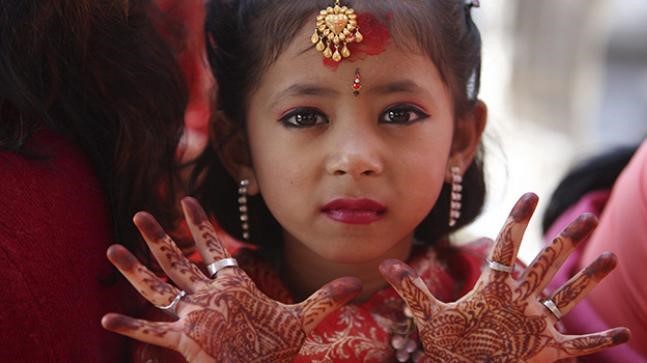
Child marriage refers to a union in which one or both individuals are below the legally defined age for marriage. While definitions may vary slightly depending on the country, the underlying issue remains the same: children are being pushed into adult responsibilities before they are physically, emotionally, or mentally prepared.
In many communities, child marriage is tied to tradition or seen as a way to secure a child’s future. However, such beliefs often overlook the serious consequences involved. Children who marry early frequently drop out of school, lose opportunities for personal growth, and face health risks, especially in the case of young girls.
The child marriage act was introduced to address these concerns by clearly defining what constitutes a child and setting strict boundaries around marriage eligibility.
Historical Evolution of Laws Against Child Marriage
The fight against child marriage did not begin overnight. It has been the result of decades, even centuries, of reform movements and advocacy. Social reformers recognized early on that child marriage was harmful, particularly to girls, and began pushing for legislative change.
Early laws were often limited in scope and lacked strong enforcement mechanisms. Over time, however, governments began strengthening these laws, introducing stricter penalties and clearer definitions. The evolution of the child marriage act reflects a growing awareness of children’s rights and the need to protect them from exploitation.
Today’s legal frameworks are far more comprehensive, focusing not only on punishment but also on prevention and rehabilitation.
Key Objectives of the Law
The primary aim of the law is to eliminate the practice of child marriage entirely. However, its objectives go beyond simple prohibition.
It seeks to create a protective environment where children can grow without fear of being forced into marriage. By setting legal age limits and imposing penalties, the law discourages families and communities from engaging in this practice.
Another important goal is to empower children, especially girls, by ensuring they have access to education and opportunities. The child marriage act also emphasizes the importance of gender equality, recognizing that child marriage disproportionately affects young girls.
Legal Age and Its Importance
One of the most critical aspects of the law is the establishment of a minimum legal age for marriage. Typically, this is set at 18 years for females and 21 years for males.
These age limits are not arbitrary. They are based on the understanding that individuals need time to mature and develop before taking on the responsibilities of marriage. Early marriage often disrupts education and limits personal growth, which can have lifelong consequences.
By enforcing these age limits, the child marriage act ensures that individuals enter marriage only when they are capable of making informed decisions.
Core Provisions of the Law
Definition and Scope
The law clearly defines who is considered a child, leaving little room for interpretation. This clarity is essential for effective enforcement.
It also outlines the types of marriages that fall under its jurisdiction, including both formal and informal unions.
Voidable Nature of Marriage
In many cases, marriages involving minors are not automatically void but can be declared invalid at the request of the affected individual. This provision gives victims the power to challenge the marriage legally.
The child marriage act ensures that this option is available within a specific time frame, allowing individuals to seek justice once they reach adulthood.
Punitive Measures
The law imposes strict penalties on those who facilitate or participate in child marriages. This includes parents, guardians, and even religious or community leaders who officiate such unions.
These penalties serve as a deterrent, making it clear that child marriage is not just socially unacceptable but also legally punishable.
Penalties and Legal Consequences
The penalties under the law are designed to be strict enough to discourage violations while also ensuring justice for victims.
Offenders may face imprisonment, fines, or both. In some cases, additional legal action may be taken against those who fail to report a known child marriage.
The child marriage act also allows courts to issue injunctions to prevent impending marriages if there is credible evidence that a child marriage is about to take place.
Implementation Challenges
Despite having strong legal provisions, enforcing the law is not always easy. Several challenges continue to hinder its effectiveness.
Cultural beliefs often play a significant role. In many communities, child marriage is deeply ingrained and seen as a normal part of life. Changing these mindsets requires more than just legal action.
Economic factors also contribute to the problem. Families facing financial difficulties may see early marriage as a way to reduce their burden. In such cases, awareness alone may not be enough; economic support is also necessary.
The child marriage act faces these challenges by working alongside social programs and awareness campaigns, but there is still a long way to go.
Role of Authorities and Institutions
Government authorities play a crucial role in enforcing the law. Special officers are often नियुक्तed to monitor and prevent child marriages.
These officials are responsible for creating awareness, investigating complaints, and taking preventive action. Law enforcement agencies also play an important role, especially in urgent situations where immediate intervention is required.
The child marriage act relies heavily on the coordination between different institutions to ensure its success.
Social Impact of the Law
The introduction of strict laws has had a noticeable impact on society. In many regions, the rate of child marriage has decreased significantly.
This change is largely due to increased awareness and the fear of legal consequences. Communities are gradually beginning to understand the importance of allowing children to complete their education and pursue their goals.
However, the impact is not uniform. Some areas still struggle with high rates of child marriage, highlighting the need for continued efforts.
Importance of Education in Prevention

Education is one of the most powerful tools in preventing child marriage. When children, especially girls, are educated, they are more likely to delay marriage and pursue careers.
Schools also serve as platforms for spreading awareness about legal rights and social issues. By educating both children and parents, communities can break the cycle of early marriage.
The child marriage act complements these efforts by providing a legal framework that supports educational initiatives.
Health and Psychological Effects
Child marriage has serious health implications. Young brides often face complications during pregnancy and childbirth, which can be life-threatening.
In addition to physical health risks, there are also psychological effects. Children forced into marriage may experience stress, anxiety, and depression.
By preventing early marriages, the child marriage act helps protect the overall well-being of children.
Economic Consequences
Child marriage does not just affect individuals; it also has broader economic implications. When children leave school early, they are less likely to contribute effectively to the workforce.
This results in reduced productivity and slower economic growth. On the other hand, delaying marriage allows individuals to gain skills and contribute to the economy.
The child marriage act indirectly supports economic development by encouraging education and skill-building.
Gender Equality and Empowerment
One of the most significant benefits of preventing child marriage is the promotion of gender equality. Girls who are not forced into early marriage have the opportunity to pursue education and careers.
This empowerment leads to more balanced and equitable societies. Women who are educated and independent are better equipped to make decisions about their lives and contribute to their communities.
The child marriage act plays a crucial role in advancing these goals.
Comparative Overview of Legal Provisions
| Aspect | Details |
|---|---|
| Minimum Age (Female) | 18 Years |
| Minimum Age (Male) | 21 Years |
| Nature of Marriage | Voidable under certain conditions |
| Punishment | Imprisonment and/or fine |
| Reporting Responsibility | Citizens and authorities |
Myths and Realities
Many misconceptions still exist about child marriage. Some believe it is necessary for cultural preservation, while others think it provides security for girls.
In reality, child marriage often leads to increased vulnerability and reduced opportunities. Legal awareness is essential to dispel these myths.
The child marriage act helps clarify these misconceptions by establishing clear legal standards.
Community and Individual Responsibility
Ending child marriage requires collective effort. Laws alone cannot bring about change unless individuals and communities actively participate.
Parents, teachers, and community leaders all have a role to play. By promoting education and speaking out against early marriage, they can help create lasting change.
The child marriage act provides the legal backing needed to support these efforts.
Steps to Prevent and Report Cases
If you suspect a child marriage, it is important to act quickly. Reporting to local authorities can prevent the marriage from taking place.
Helplines and support organizations are also available to assist victims and concerned individuals. Taking action can make a significant difference in a child’s life.
Child marriage is a punishable offense, and anyone involved—including parents or guardians—can face legal consequences under the law.
FAQs
What is the main purpose of this law?
It aims to prevent marriages involving minors and protect their rights and well-being.
Can a child marriage be canceled?
Yes, it can be declared voidable at the request of the affected individual within a specific period.
Who can report such cases?
Any concerned person, including neighbors or relatives, can report it to authorities.
Are there penalties for parents?
Yes, parents or guardians involved can face legal consequences.
How can awareness help?
Awareness educates communities, reduces acceptance of child marriage, and encourages reporting.
Conclusion
Child marriage is a serious issue that affects millions of children worldwide. While cultural and economic factors continue to influence this practice, legal frameworks have made significant progress in addressing it. The child marriage act serves as a powerful tool in this fight, providing protection, promoting awareness, and ensuring accountability.
However, the law alone is not enough. Real change requires the combined efforts of governments, communities, and individuals. Education, awareness, and active participation are essential in creating a society where every child has the opportunity to grow, learn, and make their own choices.
If you encounter a situation involving child marriage, do not ignore it. Speak up, report it, and support those affected. Every action counts in building a future free from child marriage.
Read More:-A Complete Guide to Legal Marriage Rights Beyond Religion in India