

Introduction
Marriage in India is a deeply rooted social institution, but it is also governed by a complex legal framework shaped by religion, customs, and personal laws. In the midst of this diversity, the special marriage act stands out as a progressive and secular law that allows individuals to marry without being bound by religious practices. It was introduced to give people the freedom to choose their life partner based on personal choice rather than religious or societal expectations.
For many couples today—especially those from different religions, castes, or cultural backgrounds—this law offers a practical and dignified way to formalize their relationship. It eliminates the need for conversion and allows marriages to be recognized purely on legal grounds. This guide explores the law in depth, explaining its purpose, process, and significance in a modern context.
What Is the Special Marriage Act?

The special marriage act is a central legislation enacted in 1954 that provides a legal framework for civil marriages in India. Unlike religious marriage laws, it is entirely secular and applies to all citizens regardless of their faith. This makes it one of the most inclusive marriage laws in the country.
At its core, the act is designed to uphold individual freedom and equality. It allows two people to marry based on mutual consent, without requiring them to follow any religious customs or ceremonies. The law also ensures that such marriages are legally recognized and protected under the Indian legal system.
Another important aspect of the act is that it governs not just the solemnization of marriage but also related matters such as divorce, maintenance, and inheritance. This makes it a comprehensive legal framework for couples who choose this route.
Historical Background and Purpose
The origins of the special marriage act can be traced back to the need for a uniform civil marriage law in a diverse country like India. Before its enactment, marriages were largely governed by personal laws tied to religion, which often created barriers for interfaith unions.
The act was introduced as part of India’s broader commitment to secularism and individual rights after independence. It aimed to provide a legal alternative for those who did not wish to marry under religious laws. Over time, it has become a crucial tool for promoting social harmony and personal freedom.
Its purpose goes beyond just facilitating marriage. It also seeks to ensure equality between partners, protect their rights, and provide a legal structure that is fair and transparent. In many ways, it reflects the evolving nature of Indian society, where personal choice is increasingly valued.
Key Features of the Act
Secular and Inclusive Framework
One of the most defining features of the special marriage act is its secular nature. It does not discriminate based on religion, caste, or community. This inclusivity makes it accessible to a wide range of individuals who may not fit within traditional marriage systems.
By removing religious barriers, the law promotes equality and ensures that all citizens have the same rights when it comes to marriage.
Legal Validity and Recognition
Marriages conducted under this act are legally valid across India and are recognized internationally. This is particularly important for couples who may need legal proof of marriage for visas, property rights, or other official purposes.
The marriage certificate issued under the act serves as strong legal evidence and is widely accepted by authorities.
Monogamy Requirement
The act strictly enforces monogamy. Both parties must be unmarried at the time of marriage, or legally divorced or widowed. This provision ensures clarity and prevents disputes related to multiple marriages.
It also aligns with modern legal principles of fairness and equality in relationships.
Defined Age Criteria
The law sets clear age requirements: 21 years for the male and 18 years for the female. These limits are in line with Indian legal standards and are intended to ensure maturity and informed consent.
Eligibility and Conditions
To marry under the special marriage act, certain conditions must be fulfilled. Both individuals must be of sound mind and capable of giving valid consent. This ensures that the marriage is entered into voluntarily and without coercion.
Another important condition is that neither party should have a living spouse at the time of marriage. This reinforces the principle of monogamy and protects the rights of both partners.
The law also prohibits marriages between individuals who fall within certain degrees of relationship, unless permitted by custom. Additionally, at least one of the parties must have resided in the district where the marriage is to be registered for a minimum of 30 days.
Detailed Marriage Procedure
Filing the Notice of Intended Marriage
The process begins with the couple submitting a written notice to the Marriage Officer in the district where at least one of them resides. This notice includes basic details about the individuals and their intention to marry.
Once submitted, the notice is recorded in an official register, marking the start of the legal process.
Publication and Waiting Period
The notice is then displayed publicly at the office of the Marriage Officer for a period of 30 days. This step is designed to ensure transparency and allow for any legal objections to be raised.
While this requirement is intended to prevent unlawful marriages, it can sometimes be a source of concern for couples seeking privacy.
Handling Objections
During the 30-day period, anyone can raise objections to the marriage if they believe it violates legal conditions. The Marriage Officer is responsible for investigating such objections and determining their validity.
If no valid objections are found, the process moves forward smoothly.
Solemnization of Marriage
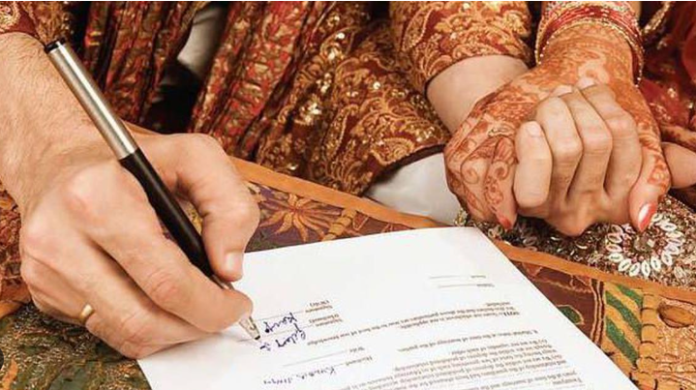
After the waiting period, the couple can proceed with the solemnization of their marriage. This involves signing a declaration in the presence of the Marriage Officer and three witnesses.
The ceremony itself is simple and does not involve any religious rituals, reflecting the secular nature of the law.
Issuance of Marriage Certificate
Once the formalities are completed, the Marriage Officer issues a marriage certificate. This document serves as official proof of marriage and is legally binding.
Documents Required
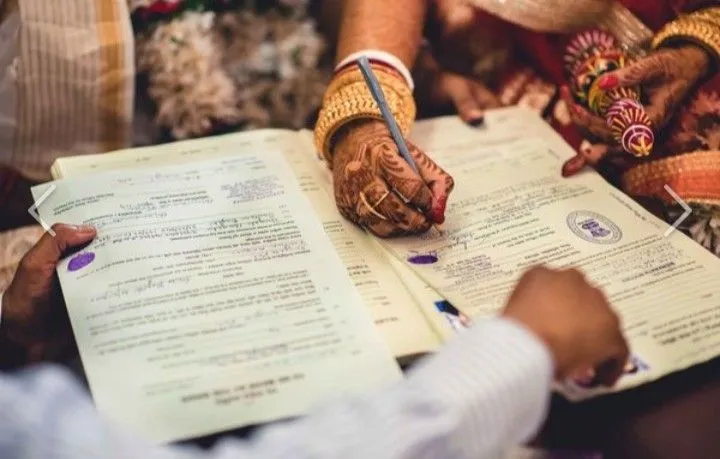
The documentation process under the special marriage act is straightforward but must be handled carefully. Proof of age is required, which can be provided through documents such as a birth certificate or school certificate.
Address proof is also necessary, typically in the form of an Aadhaar card, passport, or voter ID. Additionally, passport-sized photographs and an affidavit declaring marital status are required.
Ensuring that all documents are accurate and up-to-date can significantly reduce delays and complications.
Advantages of Choosing This Act
Freedom from Religious Constraints
One of the biggest advantages of the special marriage act is that it allows couples to marry without following religious customs. This is particularly beneficial for interfaith couples who may otherwise face significant challenges.
It also appeals to individuals who prefer a simple and non-religious approach to marriage.
Strong Legal Protection
The act provides comprehensive legal protection to both partners. It clearly defines rights related to property, inheritance, and maintenance, ensuring fairness and security.
In case of disputes, the law offers well-defined remedies, making it easier to seek justice.
Nationwide Recognition
Marriages registered under this law are recognized across India, making it easier for couples to navigate legal and administrative processes.
This is especially important for those who may relocate for work or personal reasons.
Challenges and Practical Concerns
Despite its many benefits, the special marriage act is not without challenges. The mandatory 30-day notice period can be a source of stress for couples who prefer privacy. In some cases, it may expose them to unwanted attention or pressure.
Administrative delays can also occur, particularly in areas with high workloads or limited resources. Being prepared and proactive can help mitigate these issues.
Another concern is the possibility of objections, which can delay the process. However, these are typically resolved through proper legal procedures.
Comparison with Other Marriage Laws
| Feature | Special Marriage Act | Hindu Marriage Act | Muslim Personal Law |
|---|---|---|---|
| Religion Requirement | None | Hindu only | Muslim only |
| Conversion Needed | No | Not required | Sometimes required |
| Registration | Mandatory | Optional | Optional |
| Public Notice | Yes | No | No |
| Interfaith Marriage | Allowed | Not allowed | Restricted |
This table highlights the flexibility and inclusivity of the special marriage act compared to other laws.
Legal Rights After Marriage

Marriage under the special marriage act grants equal rights to both partners. These include inheritance rights, which ensure that both spouses can claim property legally.
The act also provides clear provisions for divorce, including grounds such as cruelty, desertion, and mutual consent. This ensures that individuals have legal options in case the marriage does not work out.
Maintenance and alimony are also covered, providing financial support where needed. Additionally, child custody decisions are made based on the best interests of the child, ensuring their well-being.
FAQs
How long does the process take?
The process typically takes 30 to 45 days due to the mandatory notice period.
Can objections stop the marriage?
Only valid legal objections can delay or prevent the marriage.
Is it suitable for interfaith couples?
Yes, it is one of the best legal options for interfaith marriages in India.
Is a ceremony required?
No religious ceremony is required; the process is purely legal.
Can foreigners marry under this act?
Yes, with additional documentation and compliance requirements.
Conclusion
The special marriage act represents a modern and inclusive approach to marriage in India. It empowers individuals to make choices based on personal preference rather than societal expectations. By providing a secular and legally robust framework, it ensures that marriages are built on equality, consent, and mutual respect.
While the process may involve certain formalities, the benefits of legal protection, freedom of choice, and nationwide recognition make it a compelling option for many couples. If you are considering this route, understanding the process and preparing in advance can make the journey smooth and rewarding.
Ultimately, this law is more than just a legal provision—it is a reflection of a changing society that values individuality, equality, and the right to choose one’s partner freely.
Read More:-Understanding Marriage Laws for Hindus in India Explained